Advertisement
Everyday wellbeing – for those aged 60 and over

Nutrition and habits: how they can support the bladder

Urinary leakage can make even ordinary daily situations harder. In many life situations, small changes at the table and more mindful fluid intake can improve how you feel. The information described here is general in nature and does not replace medical advice.

  • 5 practical areas you can review
  • 3 weeks: often the time needed
  • Approach: gradual, not drastic changes
Learn about the supplement Read the practical guide Notice: Results may vary from person to person.

In brief: a simple overview

Three ideas to make daily life easier without overturning your whole routine.

Step 1

Reduce irritants

Some drinks and foods can increase sensitivity and the urge to urinate. The goal is to understand which ones affect you personally.

Step 2

Drink with intention

Drinking too little can concentrate urine and worsen symptoms. During the day, small amounts at a time are often more comfortable.

Step 3

Support balance

Weight, digestion, and habits all matter. Natural support can be a complement, not a replacement.

Context

Often an invisible challenge

Planning outings around restrooms, carrying spare change just in case, or avoiding certain events are common experiences. It may feel like "just age", but lifestyle changes can still support wellbeing.

Important: If you have pain, burning, blood in the urine, or new symptoms, contact a doctor promptly. Significant changes to diet or supplements should always be discussed with a doctor.

5 nutrition approaches that may help

No promises—just practical ideas: notice how your body responds and move forward one step at a time.

Irritated bladder and triggersLever 1
Some substances can make the bladder more sensitive: very strong coffee, black tea, cola drinks, alcohol, spicy seasoning, very acidic sauces, and artificial sweeteners. Gradual swaps (mild herbal teas, flavoured water, less heavily seasoned dishes) may ease discomfort. Results may vary.
Fluids: not too little, not a huge amount at onceLever 2
Cutting urine volume can often feel counterproductive: more concentrated urine can increase burning, urgency, and symptoms. It is sensible to divide drinks into smaller amounts through the day and, if needed, reduce intake before bedtime. A doctor can help with a personal plan.
Weight management with a steady approachLever 3
Extra weight around the abdomen can increase pressure on the bladder and pelvic floor and lead to stress leakage (coughing, sneezing, laughing). A moderate, safe path with adequate portions and nutrient-rich foods can support your goal. Avoid harsh diets without supervision.
Regular bowels, less pressureLever 4
Constipation can raise pressure in the pelvic area and worsen urgency and leaks. "Gentle" fibre (oats, legumes, fruit, and vegetables) and drinking fluids help, but increase fibre gradually to avoid bloating.
Natural support as a complementLever 5
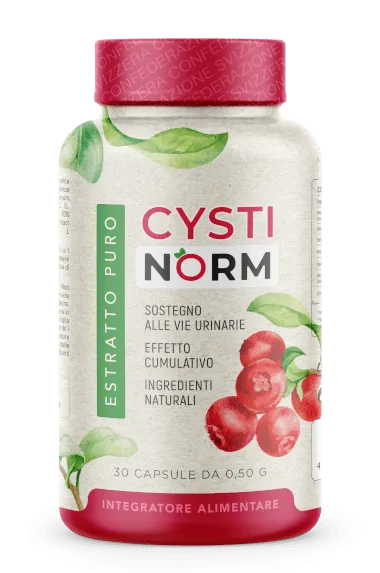
In some cases, food supplements with plant-based ingredients can complement a varied diet. They do not replace varied eating and a healthy lifestyle, and specific outcomes cannot be promised. Ask your doctor before starting supplements.
Cystinorm food supplement
Featured product

Cystinorm

Food supplement with selected ingredients (including D-mannose, cranberry, blackberry, common yarrow, and bioflavonoids). It is not intended to diagnose, treat, cure, or prevent any disease. Results may vary.

  • Plant-based ingredients
  • Convenient capsules
  • Made in Europe
Buy now Food supplements are not a substitute for a varied, balanced diet.

Frequently asked questions

Short answers to common questions.

When might I notice changes?FAQ
It depends a lot on the person and your starting point. Some women notice a difference within a couple of weeks; others do not. Success cannot be guaranteed—a doctor can help set realistic milestones.
Do I have to give up coffee and tea completely?FAQ
Not always. Often it makes sense to reduce amounts or choose milder options (caffeine-free herbal teas). What matters is observing how your bladder responds and adjusting your choices.
Can a supplement replace my diet?FAQ
No. If a supplement is recommended, it is meant as an addition to a varied diet and healthy lifestyle. Always discuss use with your doctor.
What if symptoms get worse?FAQ
Sudden worsening or symptoms such as pain, fever, or blood in the urine require prompt medical attention. Nutrition guidance does not replace professional care.